
Unpacking the Adventure: What the East Coast Trail Ultra Really Is
The East Coast Trail Ultra isn’t just another race—it’s an immersive journey through some of Canada’s most breathtaking coastal landscapes. Spanning over 100 kilometers of rugged trail, this ultra marathon is a test of endurance, willpower, and a bit of wilderness savvy. For those who’ve never tackled an ultra before, the idea can feel daunting. That’s exactly why having a full guide can transform your preparation from overwhelming to manageable, especially one that reads like a friendly chat rather than a strict manual.
Whether you’re a seasoned ultra runner or a curious first-timer, understanding the terrain, weather patterns, and the pace required can make all the difference. And if you’re wondering where to start, a comprehensive resource like this full guide can be your best companion.
Key Highlights: Trail Features and What to Expect
Stretching along the eastern shores of Newfoundland, the East Coast Trail Ultra offers more than just mileage. Expect to navigate rocky cliffs, thick boreal forests, and occasional stretches of soft sandy beaches. The course is sprinkled with diverse wildlife, and the weather can pivot quickly—from sunny skies to misty fog within an hour.
One of the elements that makes this ultra unique is the steep elevation changes, often catching runners off guard. Elevations can climb sharply, especially near the East Coast Trail’s signature lookouts. It’s not uncommon for participants to face up to 2,000 meters of total elevation gain over the course, which calls for cautious pacing.
Gear-wise, trail runners often rely on brands like Salomon or Hoka for footwear resilient enough to handle slippery rocks and muddy paths. Hydration systems that allow easy access without stopping—such as those from CamelBak—are popular. Since the trail passes through remote areas, carrying at least one reliable GPS device or a smartphone with offline maps is advisable.
Practical Tips: Navigating Challenges and Common Pitfalls
Getting lost or running out of energy are the two fears most runners share before the race. Despite clear markings, the trail’s ruggedness can be tricky under low visibility. From my experience, layering your clothing to adapt quickly to changing weather is crucial. Don’t underestimate the cold coastal winds, even in summer.
Nutrition is another cornerstone. While the race offers aid stations, runners should carry easily digestible snacks—think energy gels or trail mix fortified with nuts and dried fruits. Overloading your pack can slow you down, so packing smart is an art in itself.
Here’s a quick list of essentials to keep in mind:
- Choose trail shoes with good grip and toe protection.
- Use trekking poles if you’re comfortable with them; they can help on steep ascents.
- Hydrate regularly, even if you don’t feel thirsty.
- Have a backup headlamp and batteries for night sections.
- Test your gear on shorter trail runs before race day.
The Importance of Mindset: Staying Grounded Throughout the Ultra
Endurance races are as much mental battles as physical ones. How you approach each kilometer can make or break your experience. Personally, I find breaking the trail into smaller segments mentally easier than fixating on the full distance. Celebrating small victories—like reaching a viewpoint or finishing a tough hill—helps maintain motivation.
Remember, the East Coast Trail Ultra isn’t just about speed. It’s about embracing the environment and respecting your limits. Many finishers talk about a sense of community during the event, with runners often encouraging one another through the toughest patches. This camaraderie can be a powerful fuel when your legs demand otherwise.
What to Know Before Signing Up: Registration and Race Day Logistics
Registration for the East Coast Trail Ultra typically opens months in advance, given the event’s popularity and limited participant slots. The race organizers provide a detailed itinerary including start times, aid station locations, and mandatory gear lists. Since the trail crosses protected areas, compliance with environmental guidelines is strictly enforced.
Getting to the start line usually involves a trip to Newfoundland’s Avalon Peninsula, with St. John’s being the closest major city. Many runners arrange transport and accommodation early to avoid last-minute stress. Public transit options are limited, so renting a car or joining shuttle services provided by the event may be necessary.
All these details and more come together in a thoughtfully prepared full guide that feels less like a checklist and more like advice from a friend who’s been down the path before.
What to Remember When Lace-Up Time Arrives
Endurance events like the East Coast Trail Ultra demand respect and careful preparation, but they also offer a profound sense of accomplishment that lingers long after the finish line. On my own trail runs, I’ve learned that patience is a virtue—sometimes the fastest runner isn’t the one who wins, but the one who understands their own rhythm.
So, what’s the secret to tackling this particular ultra? I’d say it’s a mix of humility, readiness, and a willingness to savor each moment. The trail will push you, but it also promises to give back in ways that go beyond the physical. Intrigued? Then gearing up with a comprehensive, approachable resource is your first smart move.

Products
-
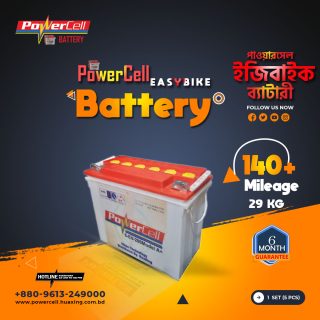 PowerCell Easy-Bike Battery | 29+ KG | 5 PCS
Original price was: 100,000.00৳ .75,000.00৳ Current price is: 75,000.00৳ .
PowerCell Easy-Bike Battery | 29+ KG | 5 PCS
Original price was: 100,000.00৳ .75,000.00৳ Current price is: 75,000.00৳ .
-
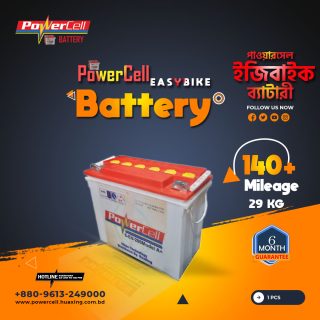 PowerCell Easy-Bike Battery | 29+ KG | 1 PCS
Original price was: 20,000.00৳ .16,000.00৳ Current price is: 16,000.00৳ .
PowerCell Easy-Bike Battery | 29+ KG | 1 PCS
Original price was: 20,000.00৳ .16,000.00৳ Current price is: 16,000.00৳ .
-
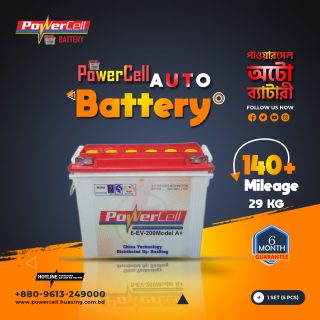 PowerCell Auto Battery | 29+ KG | 5 PCS
Original price was: 100,000.00৳ .75,000.00৳ Current price is: 75,000.00৳ .
PowerCell Auto Battery | 29+ KG | 5 PCS
Original price was: 100,000.00৳ .75,000.00৳ Current price is: 75,000.00৳ .
-
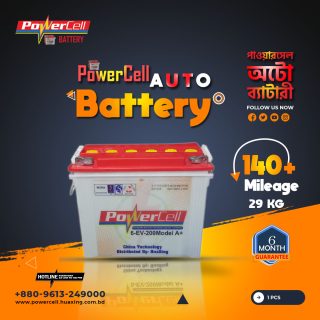 PowerCell Auto Battery | 29+ KG | 1 PCS
Original price was: 20,000.00৳ .16,000.00৳ Current price is: 16,000.00৳ .
PowerCell Auto Battery | 29+ KG | 1 PCS
Original price was: 20,000.00৳ .16,000.00৳ Current price is: 16,000.00৳ .
-
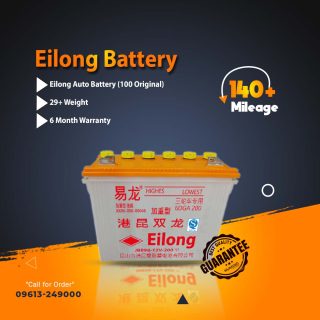 Eilong Auto Battery (100 Original) | 29+ KG | 1 PCS
Original price was: 20,000.00৳ .15,500.00৳ Current price is: 15,500.00৳ .
Eilong Auto Battery (100 Original) | 29+ KG | 1 PCS
Original price was: 20,000.00৳ .15,500.00৳ Current price is: 15,500.00৳ .
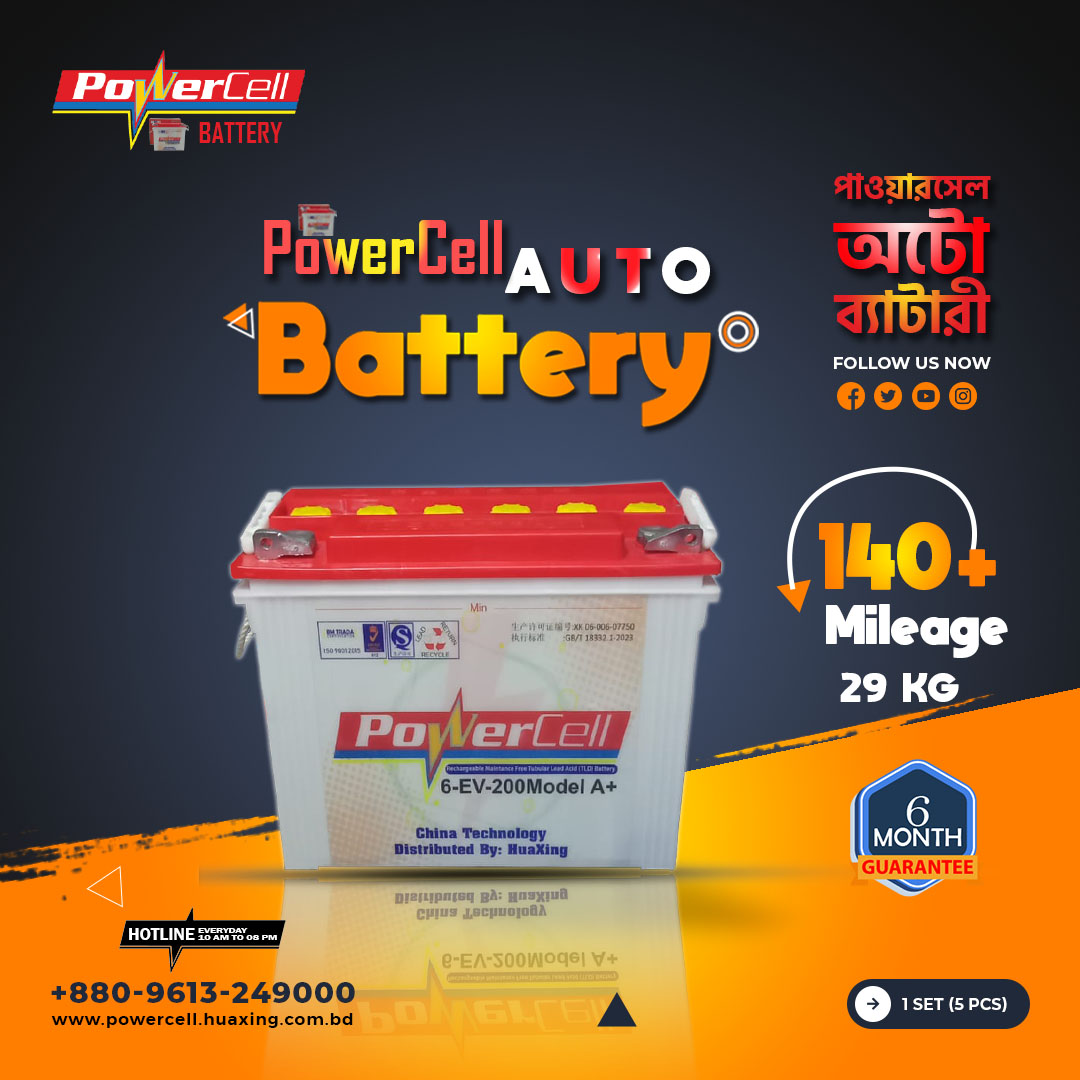
PowerCell Auto Battery | 29+ KG | 5 PCS
- Brand Name: PowerCell
- Battery Type: Easy Bike Battery
- Model: 6EV-200Model A+